
Story Adaptation
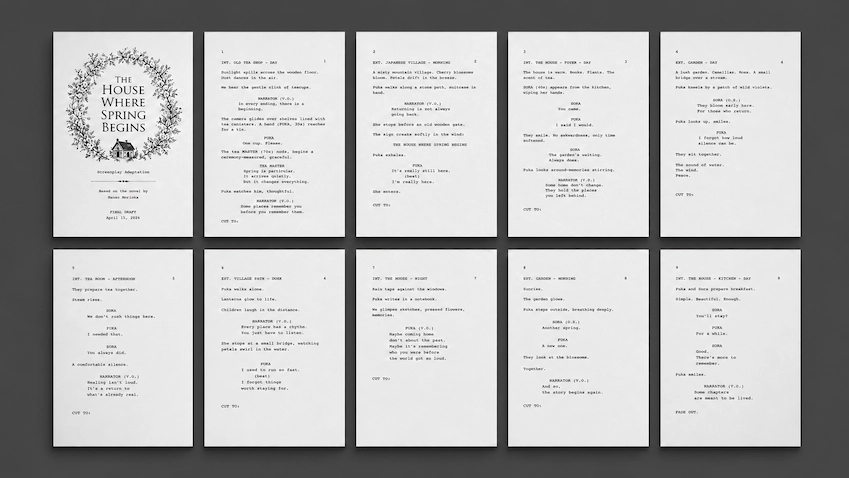
A strong book trailer does not begin with visuals. It begins with understanding what makes the story worth watching.
We study your manuscript, synopsis, and creative references to identify the elements that will translate most effectively to video. This includes the central conflict, emotional stakes, key characters, tone, audience, and the moments that create the strongest sense of curiosity.
The goal is not to retell the entire book. It is to distil its appeal into a clear cinematic direction that captures attention while remaining true to the story.
Finding the Story’s Strongest Hook
Every book contains many characters, themes, and plotlines, but a trailer has limited time to make an impact.
We identify the central idea most likely to connect with your intended readers. Depending on the book, this may be a mystery, an emotional relationship, a dangerous decision, an extraordinary world, or a question the audience needs answered.
By defining the hook early, we ensure that every creative decision supports one clear message rather than competing for attention.
Adapting the Story for Video
Books and trailers communicate differently. A novel has time to develop context, history, and internal thought. A trailer must create interest within seconds.
We select the story moments that can be communicated visually and emotionally without revealing too much. Complex plot information is simplified, internal thoughts may become voiceover or on-screen text, and several events may be combined into a more focused sequence.
This is adaptation, not summary. We preserve the spirit of the book while shaping it for a visual medium.
Creating the Narrative Structure
Once the direction is clear, we build the trailer’s narrative flow.
We determine how the film should open, how tension should develop, which characters and locations should appear, and what information should remain hidden. We also define the balance between voiceover, dialogue, music, sound design, and on-screen text.
The result is a structured trailer script designed to guide the viewer from curiosity to emotional investment.
Protecting the Identity of the Book
A visually impressive trailer is useless if it feels disconnected from the story.
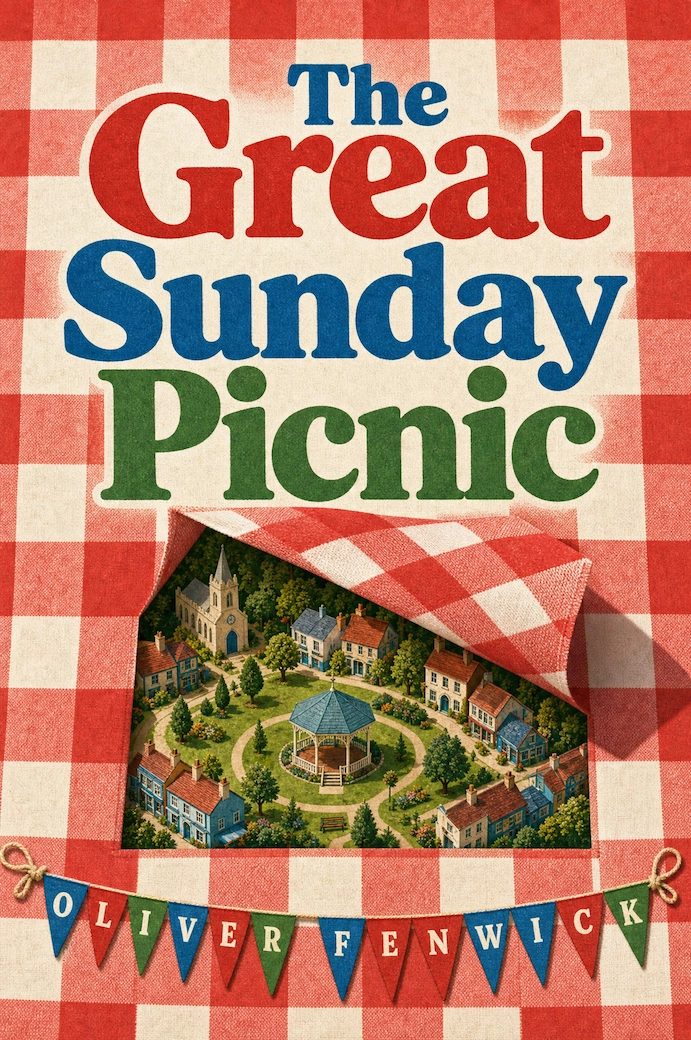
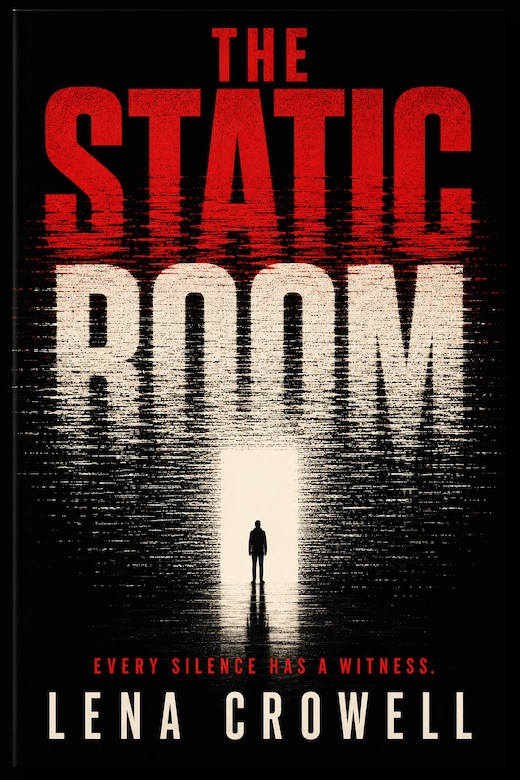
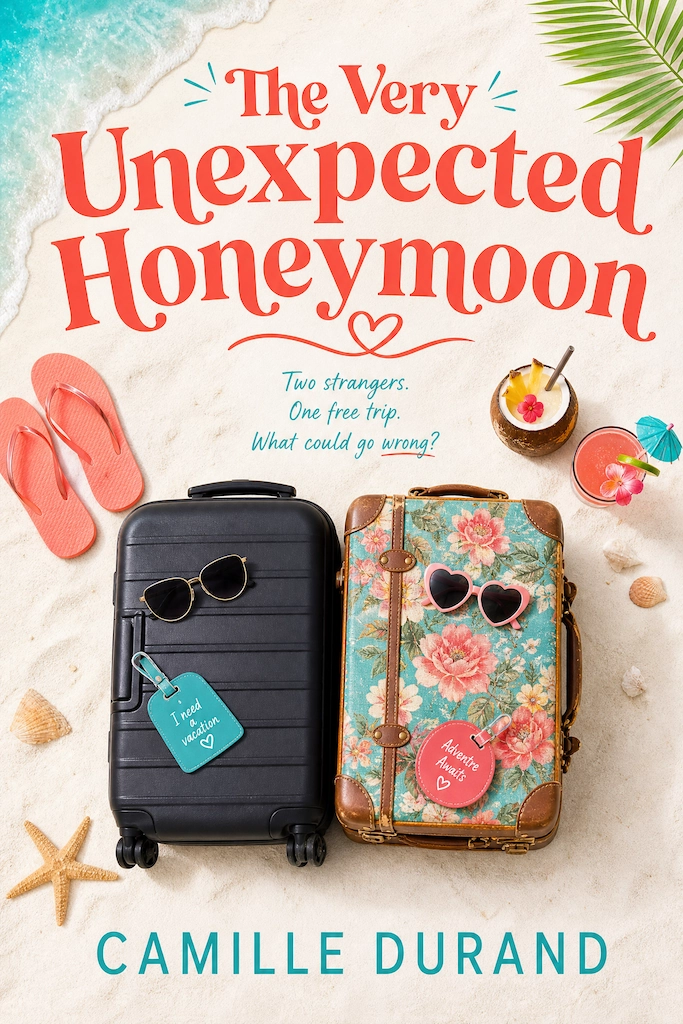
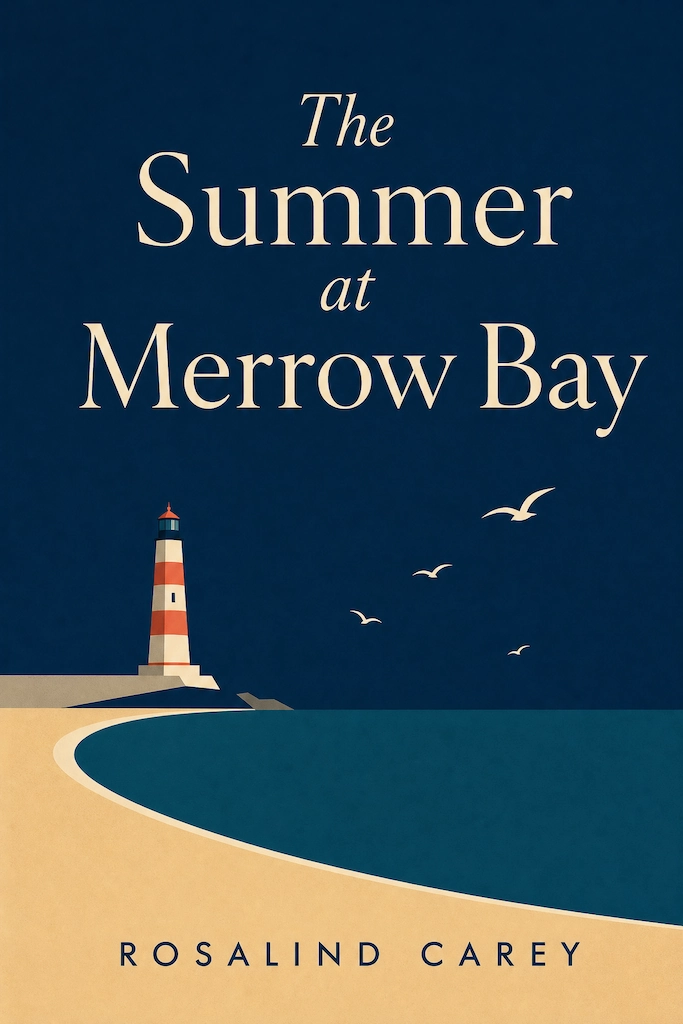
Before moving into design and production, we align the concept with your book’s genre, tone, audience, and positioning. A romantic comedy should not feel like a psychological thriller. A literary drama should not be presented like an action film.
This stage protects the identity of your work and prevents costly creative changes later in the process.
The Foundation for Production
The approved story adaptation becomes the creative blueprint for everything that follows.
It guides character design, world building, locations, visual style, storyboarding, voiceover, music, and editing. By establishing the right direction at the beginning, we create a more consistent film, reduce unnecessary revisions, and keep the entire production focused on what matters most: making readers want to discover the story.