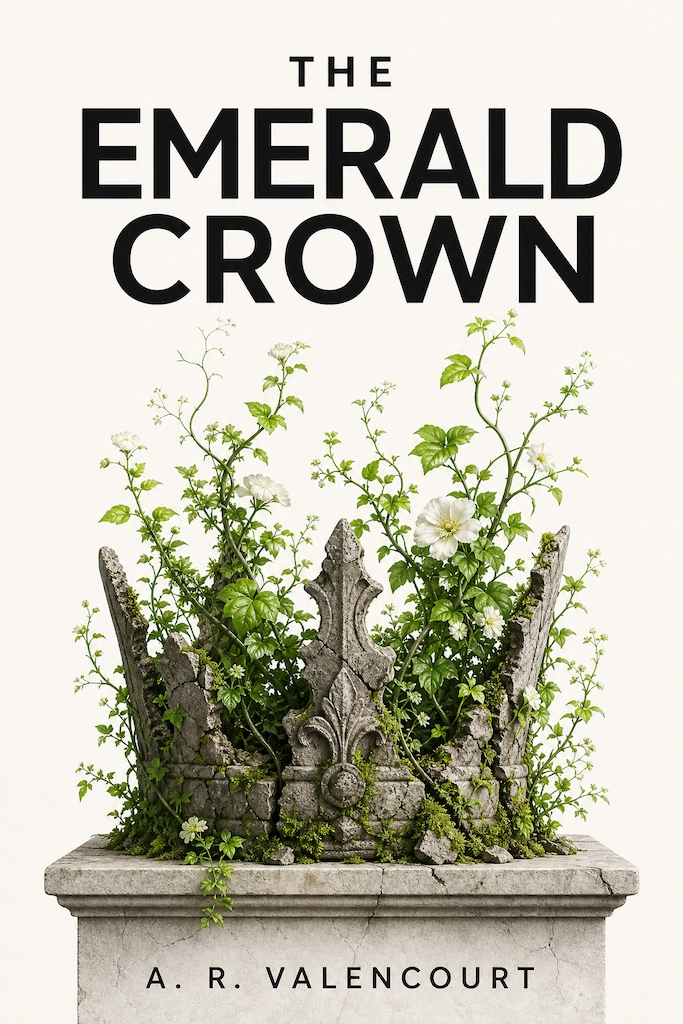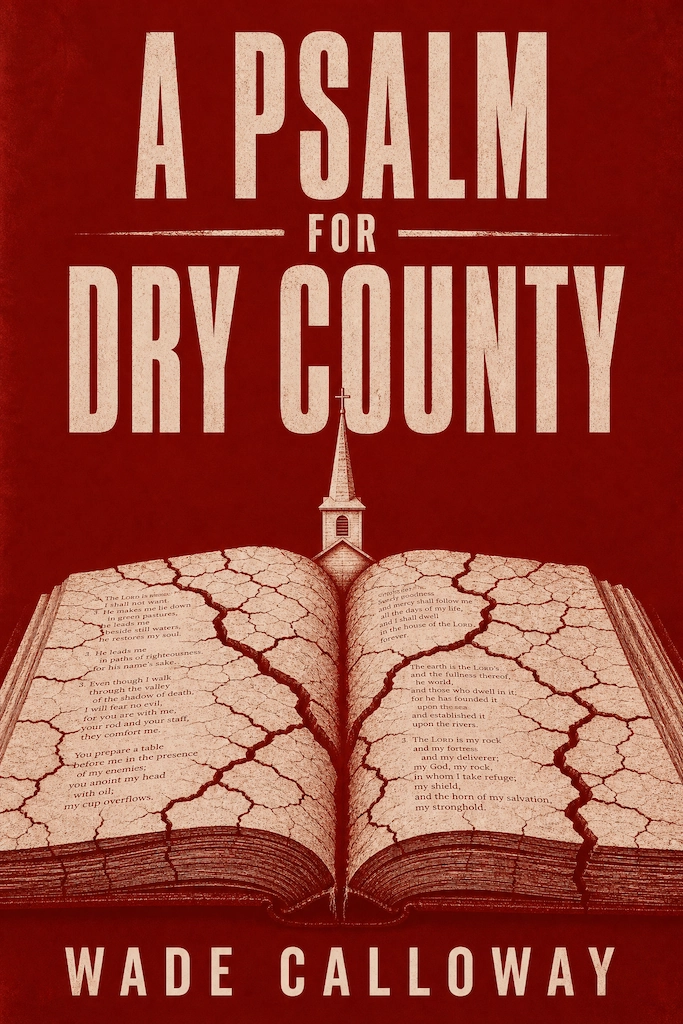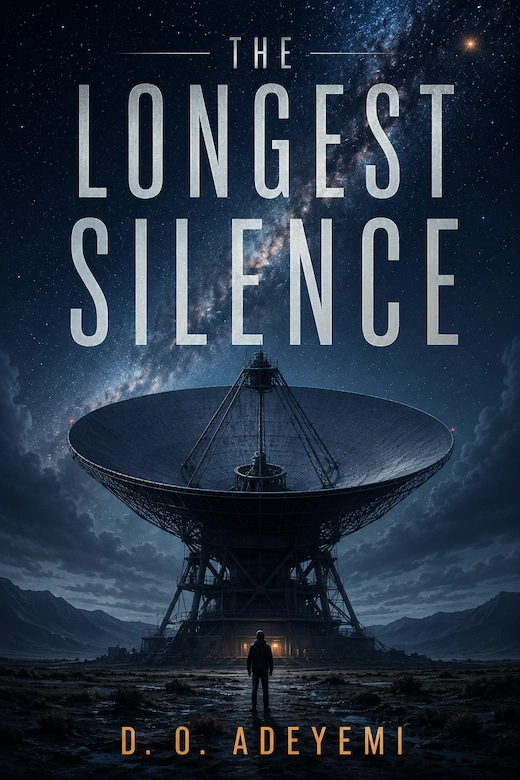

World & Locations
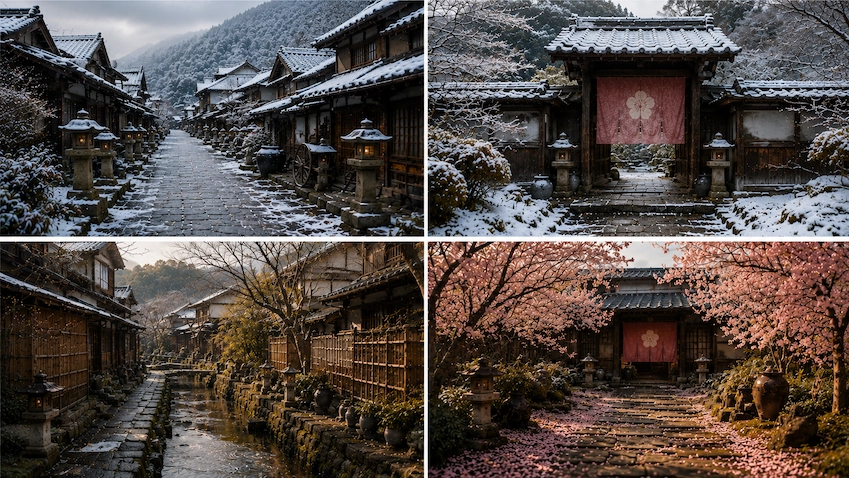
A convincing book trailer needs more than strong characters. It needs a world that feels coherent, distinctive, and true to the story.
We transform the settings described in your manuscript into a clear visual environment for the film. From architecture and interiors to landscapes, weather, lighting, and period details, every location is designed to support the story’s tone and make the audience believe in the world they are seeing.
Defining the Visual World
We begin by studying where and when the story takes place, how the environment affects the characters, and what the audience should feel when they enter it.
A location may need to feel inviting, isolated, dangerous, romantic, unfamiliar, or oppressive. These qualities influence the architecture, scale, colour, lighting, texture, and composition of every scene.
The aim is not simply to illustrate a place. It is to create an atmosphere that communicates the story before any dialogue begins.
Translating Description Into Design
Books can describe locations through history, memory, emotion, and sensory detail. Film must communicate those ideas visually and immediately.
We identify the most important details from the manuscript and translate them into practical design choices. A decaying family home may reveal its history through worn materials and neglected rooms. A futuristic city may express social division through scale, architecture, and contrasting environments.
This process preserves the meaning of the original description while making the setting clear and compelling on screen.
Creating Distinctive Locations
Generic environments weaken the identity of a trailer. Every setting should feel connected to this particular book.
We develop locations around the genre, period, culture, geography, and emotional tone of the story. Important details such as architecture, furniture, vegetation, weather, technology, and signage are considered as part of one unified visual language.
This helps the film stand apart from familiar stock imagery and gives viewers a stronger sense of the book’s unique world.
Maintaining Visual Continuity
The same location may appear across several shots, from different angles and at different moments in the story. Without a defined visual system, details can shift and break the illusion.
We establish reference images for each key environment, including layout, materials, lighting, colour palette, recurring objects, and distinctive landmarks. These references guide the creation of every later shot.
As a result, rooms remain recognisable, exterior geography makes sense, and the overall world feels connected rather than assembled from unrelated images.
Using Environment to Support the Story
Locations are not passive backgrounds. They can reveal character, increase tension, establish scale, and shape the emotional rhythm of the film.
An empty corridor can create suspense. A crowded celebration can communicate energy and belonging. A vast landscape can make a character feel free, vulnerable, or insignificant.
We design each environment around its narrative purpose so that the setting actively strengthens the story instead of merely filling the frame.
Building the World Before Production
Once the locations and visual direction are approved, they become the environmental blueprint for storyboarding and production.
This gives every scene a consistent foundation, reduces unnecessary experimentation, and helps us plan camera angles, character placement, lighting, and transitions more effectively.
A well-designed world makes the trailer feel larger, more believable, and more memorable. It allows potential readers to experience the atmosphere of the book before they turn the first page.